


The observational approach to filmmaking, also known as observational cinema or direct cinema, is a style of documentary filmmaking that aims to capture reality with minimal intervention from the filmmaker.
It prioritizes observing the subject’s real-life without interruption to discover the ultimate truth. This approach contrasts with other documentary modes, such as expository or participatory, which involve more direct interaction or narration.
Characteristics of Observational Cinema
Minimal Intervention: Observational filmmakers strive to be a “fly on the wall,” minimizing their impact on the events being filmed.
Emphasis on Reality: The goal is to record events as they naturally unfold, without staging or manipulation.
Absence of Narrator: Pure observational cinema typically avoids voice-over narration, allowing viewers to draw their own conclusions from what they see and hear.
Focus on the Everyday: Observational films often focus on capturing the ordinary aspects of life, revealing deeper truths through the observation of daily routines and interactions.
Observational Cinema vs. Cinéma Vérité
While often used interchangeably, observational cinema and cinéma vérité have subtle yet important differences. Cinéma vérité, developed by Edgar Morin and Jean Rouch, combines improvisation with the use of the camera to unveil truth or highlight subjects hidden behind reality. It acknowledges the camera’s presence and may even involve interaction between the filmmaker and the subject, sometimes to the point of provocation.
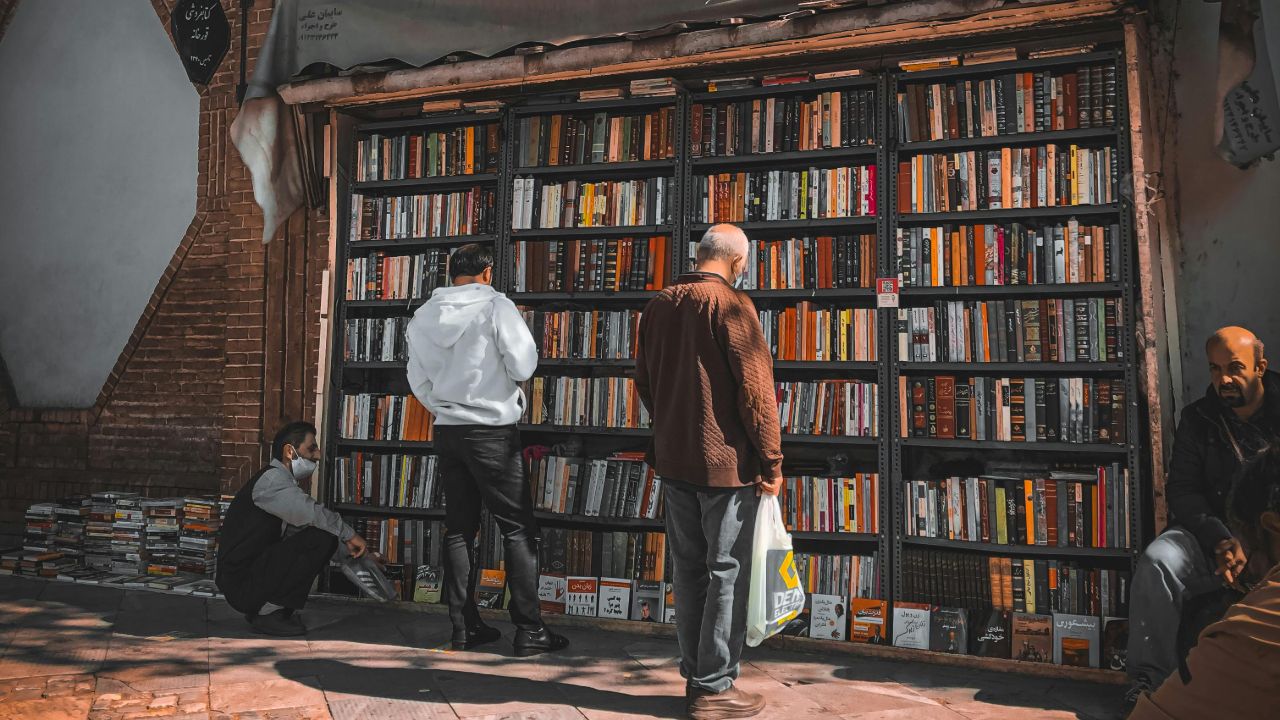
In contrast, observational cinema, as defined by Bill Nichols, is more concerned with the recording of events in which the subject and audience become unaware of the camera’s presence.
Ethical and Aesthetic Considerations
The observational approach raises several ethical and aesthetic considerations. Filmmakers must grapple with the responsibility of representing their subjects accurately and fairly, while also acknowledging their own presence and potential influence on the situation.
The absence of narration places a greater emphasis on the visual and auditory elements of the film, requiring filmmakers to develop a strong sense of composition, editing, and sound design.
Notable Examples of Observational Filmmaking
Several films exemplify the observational approach to filmmaking:
- Primary (1960)
- Titicut Follies (1967)
- High School (1968)
- Salesman (1969)
- Hospital (1970)
- Grey Gardens (1975)
- Harlan County U.S.A. (1976)
Legacy and Influence

The observational approach has had a lasting impact on filmmaking, influencing both documentary and fiction films. Many filmmakers have adopted handheld cameras and other observational techniques to create a more spontaneous and realistic feel in their work.
The principles of observational cinema can also be seen in various television programs, ranging from documentary series to mockumentaries.
If you want to know how the movie “Primary (1960)” did it, check this article.