
What Do Movie Producers Do: Roles, Credits and Oscar Rules

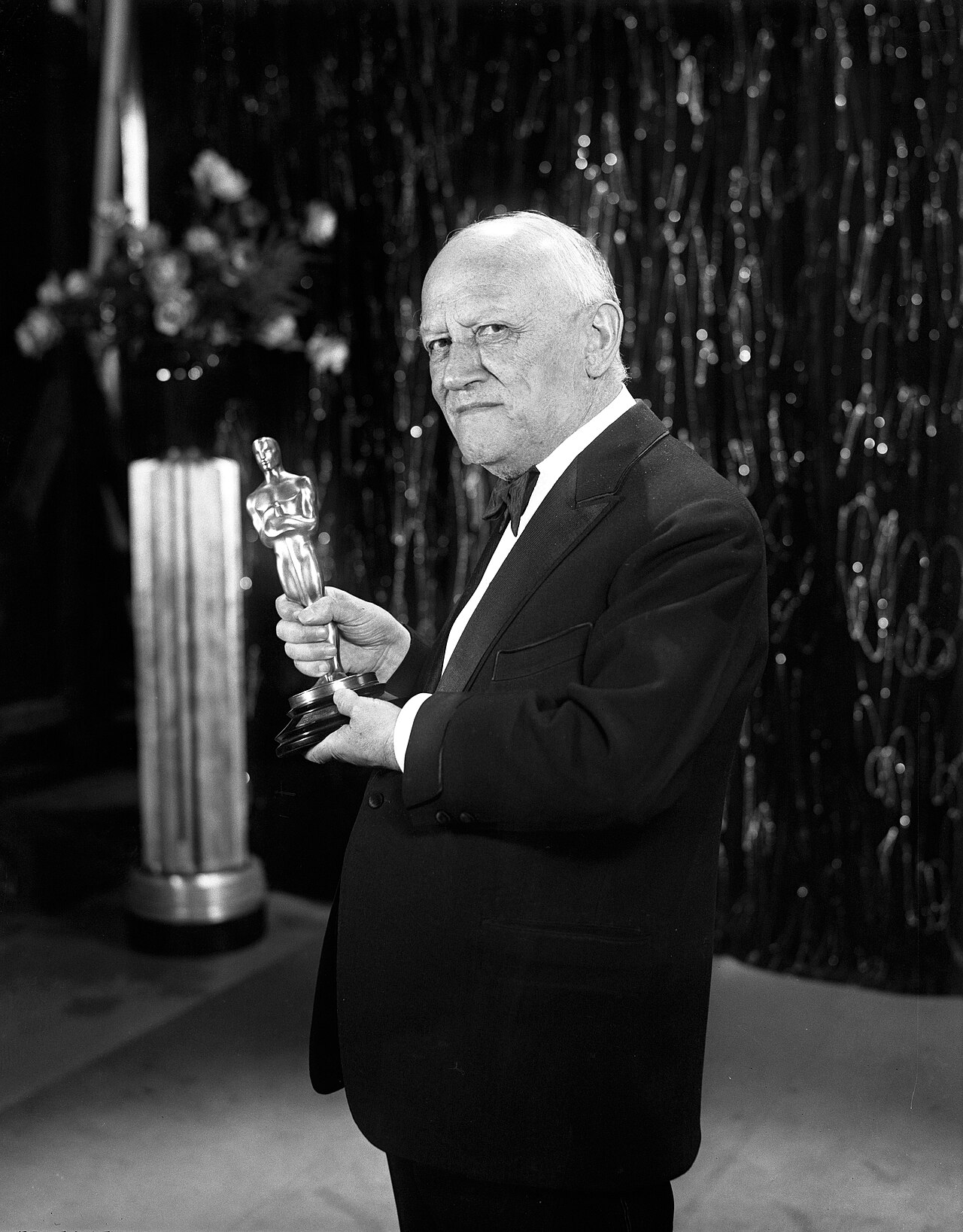
In short What do movie producers do? Producers develop scripts, raise financing and run the entire production — and only three of them can win the Best Picture Oscar. Here's the full breakdown.
Ask a room full of film fans what a movie producer actually does and you will get ten different answers, most of them involving a wealthy person with a credit nobody can explain. The reality is broader and messier. A movie producer is the person responsible for making the film exist at all: they find the idea, develop the script, raise the financing, hire the director and stars, and then defend the project through production, post-production and release. The New York Times put it plainly in its own explainer on the subject: producers "identify film ideas, sometimes by reading books or news articles, and work with writers to develop scripts. They woo directors." The director makes the movie. The producer makes the movie possible.
What a Producer Actually Does, From Development to Release
The job starts long before cameras roll. In development, producers option books and articles, commission screenplays, and spend years — sometimes a decade — shepherding a script into shape. According to Raindance Film Festival's breakdown, a producer oversees "financing, hiring, organizing, and managing the whole project" from development to public release. That means assembling the package: attaching a director whose name financiers recognize, courting stars to make the project bankable, and pitching the whole thing to studios, independent investors or international sales agents.
Once the money is secured, the producer's job shifts to execution. They approve the budget and shooting schedule, negotiate contracts with the director, cast and department heads, and hire a line producer to manage the daily logistics of the shoot. On set, the producer is the person who answers when a production runs behind schedule, a location falls through, or a star suddenly becomes unavailable — problems that can sink an under-financed film overnight. ScreenSkills, the UK screen industries charity, describes the core skill bluntly: being "on top of the whole project," from schedules to budgets to legal compliance.
And the work does not end at "wrap." Producers oversee the edit, sit in on test screenings, decide when reshoots are needed, and work with distributors on the release strategy and marketing campaign. A film can be recut, re-scored or even shelved at this stage, and it is usually the producer arguing for what serves the movie rather than the spreadsheet.
Producer, Executive Producer, Co-Producer: A Credit Decoder

Not all producing credits are equal, which is exactly why audiences find them confusing. The main tiers, roughly ranked by authority and proximity to the film's daily reality:
- Producer ("Produced by") — the primary shepherd of the film, responsible for the majority of decisions from development through release. This is the credit that earns a Best Picture Oscar.
- Executive producer — often the person who arranged the financing, a studio executive who championed the project, or a star whose involvement got it greenlit. Legendary names like Steven Spielberg appear on credits for films they helped get made without running the set.
- Co-producer — a hands-on partner who shares significant producing duties, frequently supervising a specific area such as physical production or financing.
- Associate producer — typically a junior producing role, covering contributions like development assistance, unit management or fundraising.
- Line producer — despite the title, this is a management job: the person who runs the actual budget, schedule and physical logistics of the shoot day to day.
Producer vs. Director: Who Really Runs the Show?
Here is the hierarchy surprise for most fans: the producer hires the director — and can fire them. Authorship of a film legally and commercially sits with its producers, which is why blockbuster franchises carry long producer rosters while directors come and go between installments. In practice, the balance depends on the filmmaker. Auteur directors like Christopher Nolan or Yorgos Lanthimos produce their own films and answer to no one, while first-time directors work at the pleasure of the producers who financed them. The producer-director relationship is less a chain of command than a negotiated partnership — with the producer holding the money, and therefore the veto.
The Oscar Problem: Why Only Three Producers Win Best Picture
The producer credit chaos came to a head at the 1999 Academy Awards. When Shakespeare in Love won Best Picture, all five of its credited producers walked on stage — a moment widely seen as embarrassing, since several had done little actual producing. The Academy responded in 2000 by capping Best Picture nominations at three producers, with only those holding a "producer" or "produced by" screen credit eligible. The Academy's Best Picture rules still cap the number today: the 99th Academy Awards rules allow a maximum of three eligible producers, treating a genuine two-person team as a single "producer."
That cap forces a second, harder question: which credited producers actually produced? Since 2010, the answer has come from the Producers Guild of America and its Producers Mark — the lowercase "p.g.a." that appears after a certified producer's name in credits. The PGA's Code of Credits evaluates who performed "a majority of the functions performed and decisions made" of producing, and the Academy defers to its determinations when deciding who can accept the Best Picture statuette.
The system has its rebels. When the PGA ruled that only two of the four credited producers on Fifty Shades of Grey deserved the mark, producer Dana Brunetti publicly declared he would not "bow down" to the guild, as The Hollywood Reporter covered at the time. Vin Diesel, denied a producing certification on his Fast & Furious films, went public in 2020 about "mitigating a war" with the PGA, according to Variety. The guild has held firm, and as IndieWire reported, the p.g.a. mark is now accepted by all six major studios — the certification has won.
What's Next
So when the next awards season arrives and a Best Picture nominee's producer list looks mysteriously short, or you spot three tiny letters after a name in the end credits, you are watching this system in action. The producer remains the least understood and arguably most consequential job in filmmaking — the person who found the story, raised the money, hired everyone you loved on screen, and made sure the film survived long enough to reach yours. The next time a producer credit puzzles you, the safest assumption is simple: somewhere in that film's ten-year journey, that person was in the room when it could have all fallen apart.
Comments (0)